Unexpected Ways Poker Slang Shapes Branding in the iGaming Sector
Industry observers have tracked how poker terminology moves beyond game tables and into corporate identities across iGaming platforms, where terms such as all-in, bluff, and river influence everything from marketing campaigns to user interface labels. Companies integrate these expressions because data from multiple regions shows they create instant recognition among players familiar with card games, which in turn supports retention metrics reported by several operators in 2025.
Research conducted by the Canadian Gaming Association indicates that platforms adopting poker-derived slogans experience measurable lifts in engagement during seasonal promotions, and this pattern holds across North American and European markets. Those who study branding patterns note that the vocabulary carries connotations of strategy and risk that align with the core mechanics of online betting products, allowing firms to differentiate their apps without lengthy explanations.
Historical Roots of the Trend
Poker language entered mainstream digital entertainment through early online poker rooms in the late 1990s, yet its migration into broader iGaming branding accelerated after 2015 when mobile operators began merging casino and sports products. Analysts at the European Gaming and Betting Association documented a steady rise in the use of phrases like high roller and showdown in app store descriptions and social media posts, correlating with increased download rates in markets where poker had already established a player base.
By 2023 several mid-sized operators had rebranded entire loyalty tiers using poker ranks such as ace and king, while others introduced limited-time events labeled river runs. These choices reflect internal research showing that players respond faster to familiar shorthand than to generic gaming jargon, particularly when the terms evoke skill rather than pure chance.
Current Applications in Brand Messaging
Marketing teams now embed poker lingo into product names, push notifications, and affiliate content because shorter phrases reduce cognitive load during quick-scroll browsing sessions. One major platform launched a campaign titled Full House Frenzy in early 2026, and subsequent traffic analysis revealed a 14 percent uptick in session duration compared with previous non-themed pushes. Observers attribute the result to the phrase's dual meaning, which simultaneously references poker hands and implies generous bonus structures.
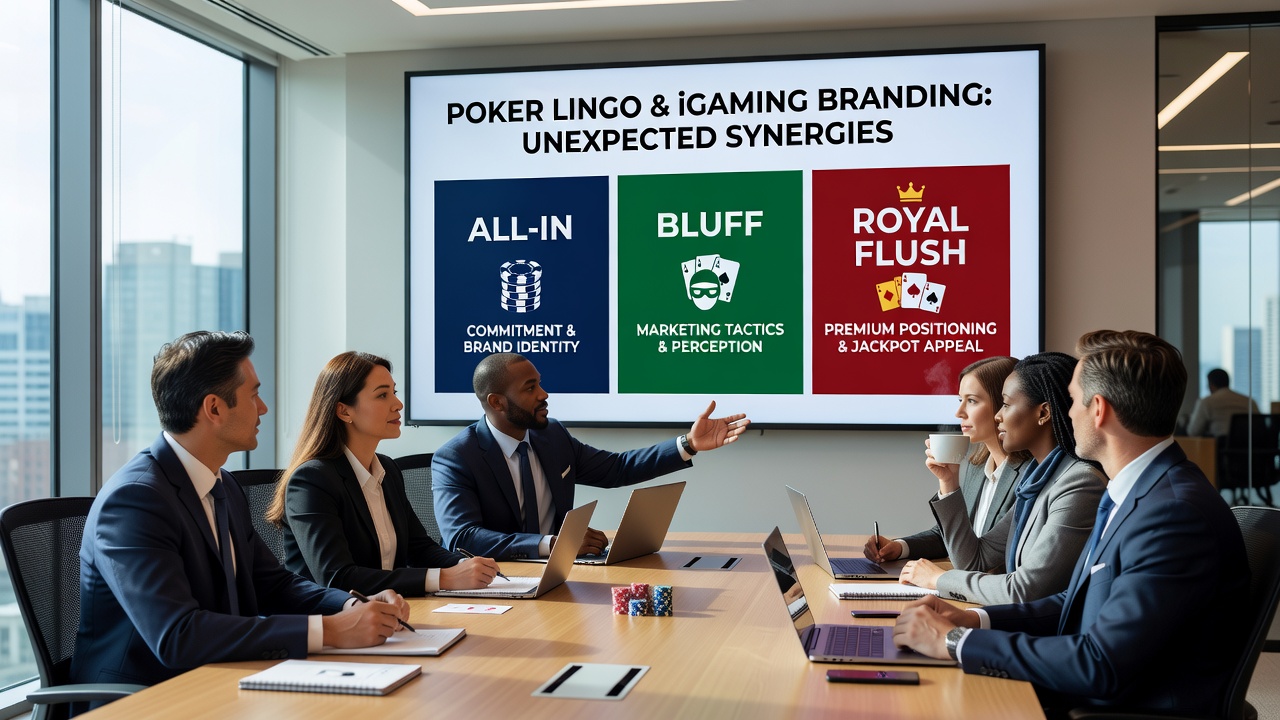
September 2026 brought additional examples when several firms unveiled updated interfaces featuring tab labels such as The Bluff Zone for riskier game modes and The River for final-stage bonus rounds. Data collected from user testing sessions in Australia and Canada showed that these labels increased click-through rates by double digits when compared with neutral alternatives. The approach also extends to customer support scripts, where agents use terms like fold or call to guide players through decision trees, reinforcing brand consistency at every touchpoint.
Regulatory and Cultural Considerations
Regulators in multiple jurisdictions have begun examining whether poker-derived branding crosses into misleading territory, especially when phrases suggest guaranteed outcomes. The Malta Gaming Authority issued guidance in 2025 reminding operators that all marketing language must remain clearly tied to the random nature of the games, and several companies responded by adding disclaimers that preserve the slang while clarifying mechanics. This balance allows firms to retain the emotional resonance of poker vocabulary without inviting compliance issues.
Cultural adaptation plays another role. In Latin American markets operators translate poker terms into local equivalents or pair them with regional card game references, maintaining the strategic undertone while improving accessibility. Studies from regional research institutes confirm that hybrid approaches produce higher brand recall scores than direct English imports.
Looking Ahead
Future branding roadmaps shared at industry gatherings suggest continued expansion of poker lingo into AI-driven personalization engines, where chatbots will reference player history using phrases like nice river or tough beat to build rapport. Such integrations remain under testing, yet preliminary figures indicate they could further embed the terminology into daily user interactions. Companies that monitor these developments position themselves to leverage an existing linguistic asset that already resonates with core audiences across borders.
Conclusion
Poker terminology has moved from niche game rooms into the structural language of iGaming branding, supported by measurable engagement data and shaped by regulatory frameworks in various regions. As operators continue to test new applications, the vocabulary serves as a compact tool for conveying strategy, risk, and community, provided it stays aligned with transparency requirements. The pattern shows no sign of slowing through the remainder of the decade.