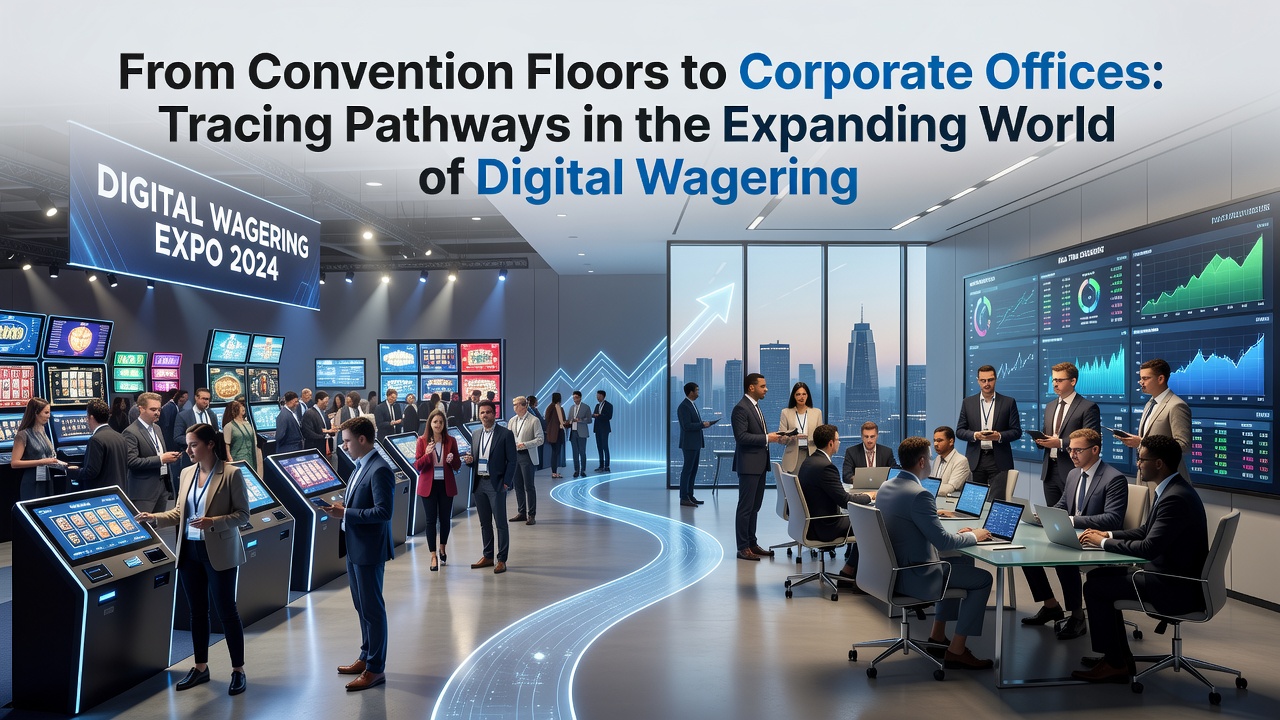
From Convention Floors to Corporate Offices: Tracing Pathways in the Expanding World of Digital Wagering
Trade shows have long served as gateways into the digital wagering sector, where attendees move from casual interactions on exhibition floors to structured roles inside corporate headquarters. Data from industry reports indicate that participation at events such as the Global Gaming Expo correlates with subsequent hiring spikes across operators and suppliers, as recruiters identify candidates during live demonstrations and panel discussions.
Networking as the Initial Step
Professionals often begin their trajectories by attending sessions on regulatory updates, product launches, and market forecasts. Observers note that these gatherings compress months of outreach into a few days, allowing recent graduates and mid-career switchers to connect directly with hiring managers from software developers and betting platforms. Research indicates that roughly 40 percent of entry-level positions in North American iGaming firms trace back to contacts made at such conferences, according to figures compiled by the American Gaming Association.
Exhibitors showcase live betting interfaces, skill-based gaming terminals, and social wagering applications, giving job seekers tangible examples of the technologies they might later support in office environments. Those who follow up with targeted messages after the event frequently secure informational interviews that evolve into formal applications.
Transitioning from Events to Full-Time Roles
Once inside corporate structures, former convention attendees typically move into departments handling compliance, affiliate marketing, or platform integration. Career paths diverge quickly: some advance through operations teams that monitor real-time odds and user engagement metrics, while others specialize in data analytics that inform game design decisions. Studies from the Canadian Gaming Association reveal that employees with prior trade show exposure advance to mid-level management an average of 18 months faster than peers who enter through traditional job boards alone.
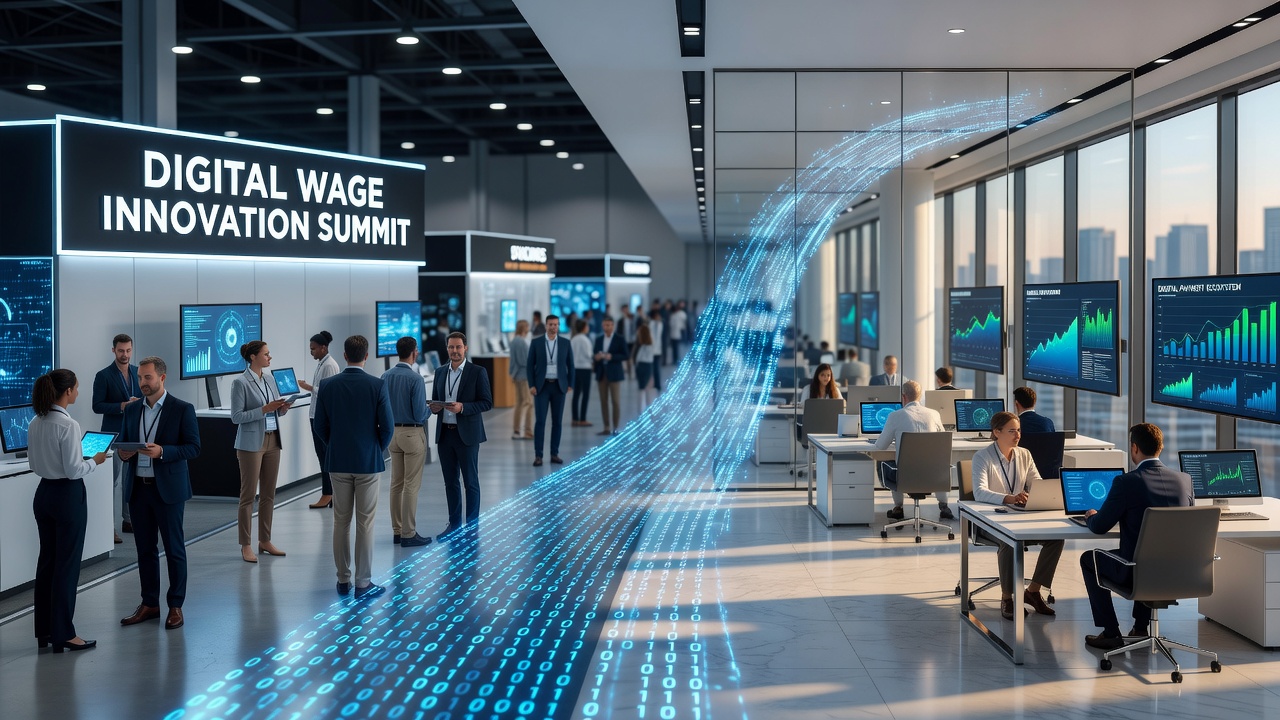
November 2026 projections from several research firms forecast continued expansion in regulated markets across multiple continents, creating additional openings for individuals who first engaged the sector through event attendance. Companies plan to scale teams focused on responsible gaming tools and cross-border payment systems, areas that benefit from the broad perspectives gained at international gatherings.
Skill Development Along the Pathway
Technical proficiency in XML-based protocols, customer acquisition funnels, and mobile optimization emerges as a recurring requirement once individuals leave the convention circuit. Training programs sponsored by industry associations provide certifications that bridge the gap between show-floor knowledge and office deliverables. Participants who complete these modules report smoother onboarding experiences when they join product or marketing groups.
Geographic mobility also factors into advancement. Professionals who start at regional events in the United States frequently relocate to European or Australian offices to support localized product launches, bringing firsthand insights from earlier networking sessions. Data compiled by the European Gaming and Betting Association highlight that such cross-market experience correlates with higher retention rates in senior positions.
Corporate Structures and Advancement Patterns
Larger operators maintain dedicated campus recruitment pipelines that intersect with convention calendars, scheduling interviews immediately after major expos conclude. Smaller firms rely more heavily on referrals generated during after-hours receptions. Both approaches produce measurable outcomes: internal mobility data show that employees hired through event channels occupy a disproportionate share of leadership roles in product strategy and regulatory affairs.
Continuous learning remains essential. Webinars and workshops that originate from convention programming help employees stay current on legislative shifts, ensuring their contributions align with evolving compliance landscapes. Those who document these educational steps in performance reviews often accelerate promotion timelines.
Conclusion
The route from convention floors to corporate offices in digital wagering follows observable patterns supported by industry data and association records. Individuals who leverage initial contacts, acquire targeted skills, and adapt to multi-regional demands populate the expanding workforce. As markets continue to open through 2026 and beyond, the same event-to-office sequence is expected to supply the next generation of specialists and managers.